What Is the Meaning of Henna Art in Pakistan
Virtually Henna - The Henna Plant, History, Traditions and Uses
Origin of Henna
The art of henna (called mehndi or mehendi in Hindi & Urdu languages) has been adept for over 5000 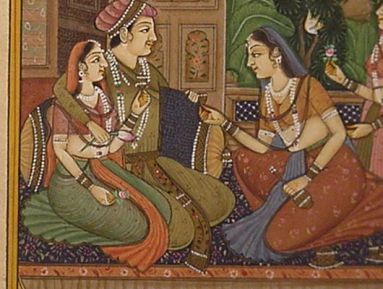 years in Pakistan, India, Africa and the Eye East. Some documentation dates it to over 9000 years old. Because henna has natural cooling properties, people of the desert, for centuries, have been using henna to aid control their body temperature. They would make a paste from the crushed dried leaves of the henna plant and soak their palms and soles of the anxiety in it to get a cooling touch. The cooling sensation was felt throughout the body for as long as the henna stain remained on their skin. Initially, as the stain faded abroad, it left patterns on the skin's surface which led to ideas of making designs for decorative purposes. In the ancient Egyptian times even mummies wore henna designs and it is documented that Cleopatra herself used henna for decorative purposes.
Henna was non only a popular accompaniment for the rich but the poor, who could not afford jewelry, used it to decorate their bodies as well.
Henna in the Due west
Today people all over the globe have adopted the aboriginal tradition of embellishing their bodies with the beautiful natural artwork created from the henna plant. In the xc's information technology became a very popular form of temporary actual decoration in the USA, and has go a growing trend e'er since. Celebrities similar Madonna, Gwen Stefani, Yasmine Bleeth, Liv Tyler, and Xena, amid others, take proudly adorned their bodies with henna and showed them off in public, movies, videos, etc. People throughout the Due west have adopted this Eastern tradition in their lives past having their hands and feet painted for weddings, bellies painted during pregnancy, heads patterned with henna while going through chemotherapy, scars inconspicuous to brand them unnoticeable, and and then on. Henna has also become a worldwide trend equally a temporary tattoo since information technology tin exist fabricated to resemble a real tattoo but it comes without the pain or long term commitment.
The Henna Establish
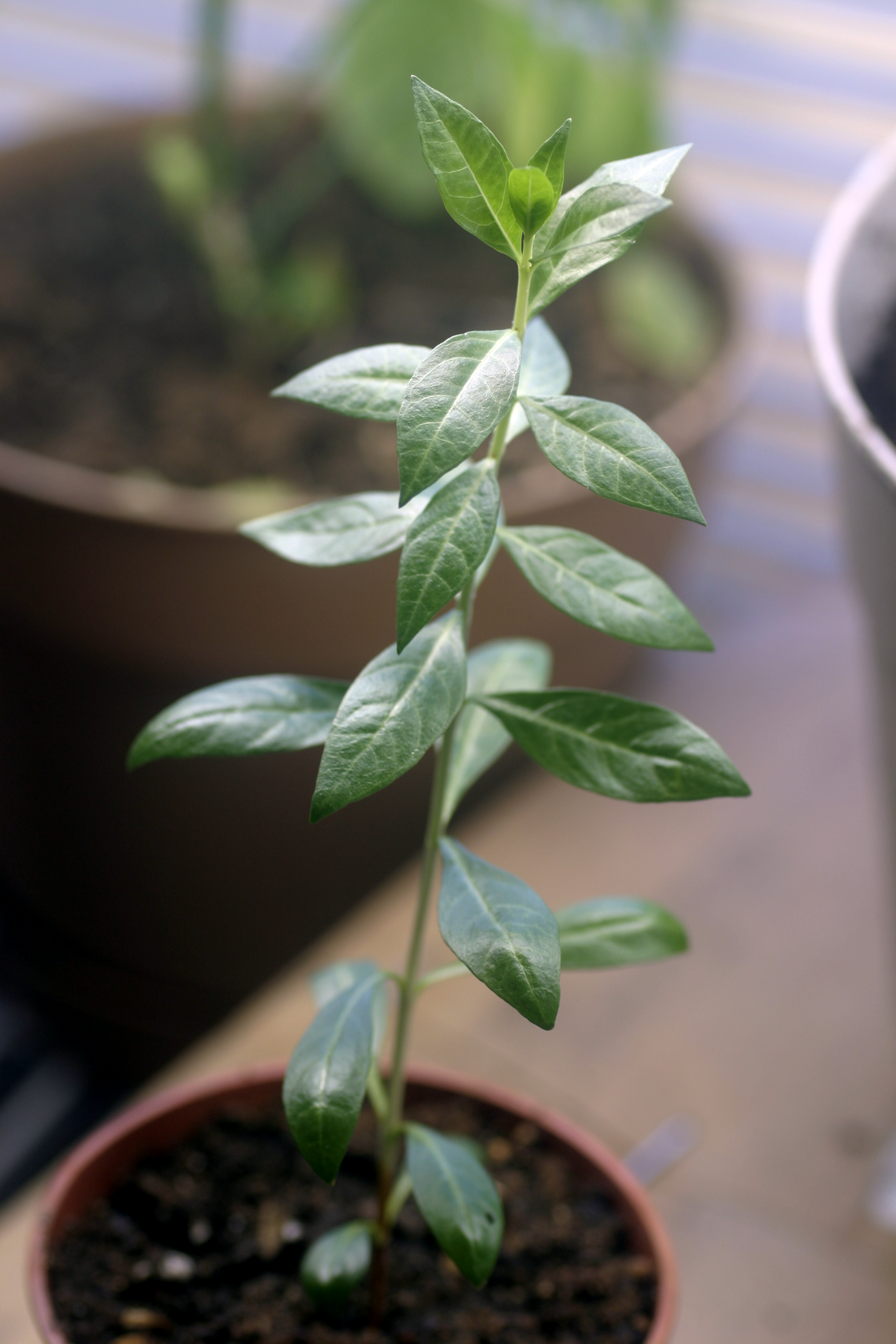 Henna(Lawsonia inermis, as well known ashina, mehndi,henna tree,mignonette tree,Egyptian privet)is aangiosperm that grows 12-15 feet loftierand comes from the sole species of the Lawsonia genus. The English name "henna" comes from theArabic termالحناء (al-ḥinnā). The proper name henna also refers to thedyeprepared from the henna plant and the fine art of temporarytattooingfrom those dyes. Henna has been used for centuries to dye peel, hair, and fingernails, equally well equally fabrics includingsilk,wool, andleather.
Henna was used for corrective purposes in theRoman Empire, Convivencia-periodIberiaandAncient Egypt, besides equally other parts ofNorth Africa, theHorn of Africa, theArabian Peninsula, theVirtually EastwardandS Asia. It can be institute widespread in other hot climates like Pakistan, India and Australia. The found grows all-time in heat upward to 120F degrees and contains more dye at these temperatures. Inversely, it wilts in temperatures below 50F degrees. Information technology also grows improve in dry soil, as opposed to damp soil. The leaves are in reverse decussate pairs and vary in sizes from approximately 2-four cm. long. The flowers are fragrant, produced in conical panicles 1040 cm long, each bloom 5 mm diameter, with four white petals. The fruit is a dry capsule 68 mm diameter, containing numerous 12.5 mm seeds.
The henna plant contains lawsone which is a crimson-orangish dye that binds to the keratin (a protein) in our peel and safely stains the skin. The stain can exist from pale orange to deep burgundy depending on the quality of the henna and how well ones pare takes it. A practiced henna, fresh from hot & dry climates, will stain the darkest.
Cultural Uses
Henna is used for many reasons including:
- Self-expression
- Celebrations like weddings, baby blessings, holidays & birthdays
- Inspiration
- Reminders - east.g. writing a message to remind yourself of someone that is important in your life
- Dazzler and adornment - a course of jewelry or body decoration
- Cosmetic treatment - due east.one thousand. encompass up for a scar/tattoo
- Blessings & well-being - blessing a new bride or a new child
- To be function of an aboriginal tradition
- Alternative or precursor to a tattoo
Medicinal Backdrop
- Medicine: Henna is considered an herb, and has long been known to have healing qualities. Information technology is used topically and commonly not ingested or inhaled. In aboriginal times it has been applied to the skin surface for healing headaches, stomach pains, burns (including sunburns), open wounds, fevers, athlete'due south foot and even the prevention of pilus loss.
- Sunblock: Henna has been used on the noses of animals to forestall sunburn. It will as well leaves tan lines after a sun tan if used as body ornamentation.
- Insect Repellant: It is often applied to goat peel numberless, and other leather, later they have been table salt-cured. It "insect-proofs" or "moth-proofs" the bags by making the peel poisonous/inedible for those creatures.
- Anti-Fungal: Because of its well-known anti-fungal properties, in ancient Ayurveda medicine, henna paste is applied on the skin to reduce athlete'due south foot and other fungal diseases.
Click here to learn more nigh henna and other ingredients.
Weddings and Other Henna Traditions
Henna is traditionally used for special occasions similar holidays,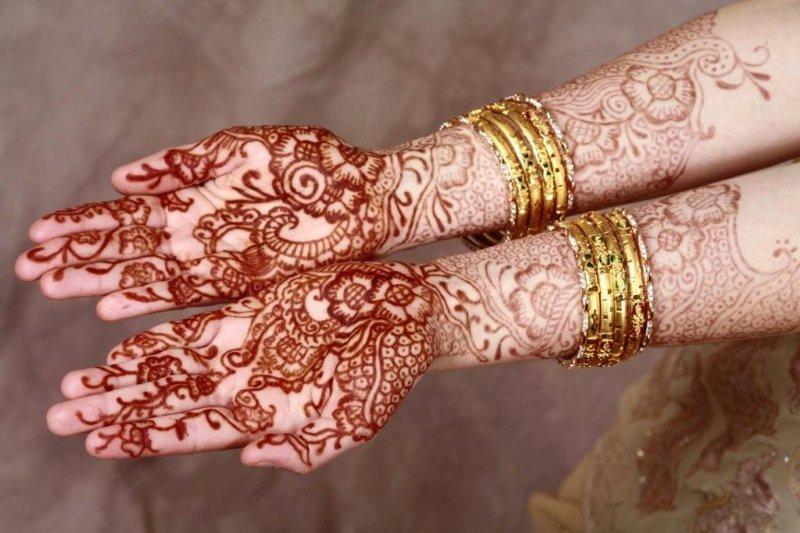 birthdays and weddings in Africa, Pakistan, India, and the Middle East. The most popular of the traditions is the Mehndi (henna) Night where the bride, her family, relatives and friends get together to celebrate the wedding to come up. This evening is filled with games, music and trip the light fantastic toe performances that may take been rehearsed for months prior to the consequence by those closest to the bride. During this, the bride gets extensive henna patterns done on her hands and feet that go to her elbows and sometimes, knees. The bridal patterns tin accept hours and are often done by multiplehenna artists. The guests will usually receivemodest designs (tattoos) on the backs of their hands too.
Today, brides adopt to have their henna done prior to the mehndi dark so that they can enjoy the festivities and too have a deeper stain by the wedding day.
Tradition holds that for equally long as the henna stain appears on the helpmate, she doesn't have to do any housework! It is said that the darker the stain the improve the marriage and the ameliorate the mother-in-law will exist, so yous tin can imagine why the bride would want the stain to come out dark and last as long every bit possible!
Temporary Henna Tattoos
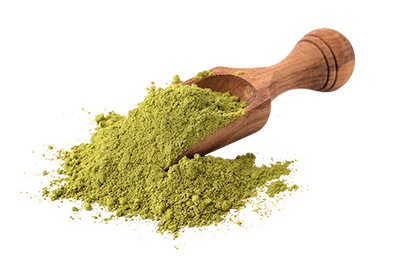
For body decorations, the leaves of the henna institute are dried, crushed into a fine powder, and made into a creamy paste using a variety of techniques. This paste is then applied to the skin, staining the meridian layer of skin but. In its natural state it will dye the peel an orangish or brown colour. Although it looks dark greenish (or dark dark-brown depending on the henna) when applied, this green paste volition flake off revealing an orange stain. The stain becomes a reddish-brown color later on ane-3 days of application. The palms and the soles of the feet stain the darkest because the pare is the thickest in these areas & contain the virtually keratin. The farther away from hands and feet the henna is applied, the lesser the color. The face area usually stains the lightest.
Henna works on all peel types and colors. It looks just as beautiful on dark skin as it does low-cal skin simply because some people skin may accept the dye better than others, it tin can look more than prominent on one and non as much on another. Nevertheless, henna is a symbol of beauty, art, and happiness and is meant for anybody!
Fun Fact: Because henna acts as a sunblock, there is that added benefit for having henna designs in the summertime. For those who dearest to get a tan, call back: information technology leaves tan lines! In order to benefit from this, it is best to become a henna design, let its natural color stay on for iii-5 days and then go and get a tan. This way you tin enjoy the natural henna color on your body, the henna colour with the tan, and so tan lines in the shapes of the pattern (in one case the henna fades abroad)! The tan lines last as long as the actual tan!
How long practise henna stains last?
The designs by and large last from 1-iv weeks on the peel surface depending on the henna, care and skin blazon. The palms, soles of the anxiety, and other rough areas similar the knuckles stain the darkest. The stain on the hands fades away the fastest from continued washing and can last upward to two weeks. The forearms and lower legs and ankles last the longest and go up to 4 weeks, sometimes longer! In areas where there are less keratinized cells, the henna will stain the lightest and volition disappear faster. These areas include the upper arms, dorsum, tummy, chest, face, etc.
In the hair the henna is permanent. It may fade but it is difficult to remove.
Henna for the Hair
Henna is a natural permanent dye that is widely used throughout the world for its color and astonishing benefits to the pilus. Henna hair coloring dates back thousands of years and has been used by both men and women to dye their hair, beards, mustaches and fifty-fifty the hair of animals. It is a fast growing tendency in the natural hair manufacture considering information technology is a healthy alternative to the toxic chemic dyes plant in the market. Henna does the contrary for the scalp and hair that synthetic dyes do. It actually makes the hair stronger, shinier, healthier and rejuvenates dry, dull and damaged hair. The more it is applied the better information technology is for the hair. Synthetic dyes, on the other hand, may not but damage the hair but also ones health. Another fun fact about henna is that those who are sensitive to synthetic pilus dyes can often benefit from henna pilus dye.
Following is a a great commodity to read up on if you are interested in learning more nigh henna every bit a hair dye: Summit 10 Myths About Henna

Benefits of Henna for the Pilus
- It colors the hair an orange to rich red color and mixed with other herbs it can requite you many other colour variations from light carmine blonde to black.
- It strengthens the pilus and helps prevent breakage and carve up ends
- Information technology helps prevent hair fall and thinning of the pilus
- It makes the hair shiny and lustrous
- It conditions the hair
- It's anti-fungal and anti-parasitic properties keep the lice out and help forbid fungal diseases in the scalp
- It rejuvenates dry out, tedious and damaged hair by endmost and smoothing the cuticle
- It is often used past people with sensitive skin and cancer patients because of its gentle properties.
- Information technology oftentimes softens the hair. The hair might experience straw-like if used over bleached hair because the extra coating of the henna can make the hair stiffer after bleaching. The grow-out, however, will feel very soft.
Disadvantages of henna
- Non everything natural suits everyone and so henna may non be for everyone. It is best to do a strand test and a patch test and consult a physician before using.
- Henna is a permanent hair dye. Information technology doesn't come out of the hair so the hair has to grow out for the color to exist removed. It volition thus fade and so the color will be lighter through fourth dimension.
- Henna on its own is a blood-red-orange dye and then it will color the hair red unless used with other herbs, such as indigo and amla .
- It may be hard to use a synthetic dye over henna depending on the chemicals in the dye. So once you have the colour, you might accept to await for it to grow out before using other colors. The natural herbal hair colors that we sell, however, can be used over henna whatever time without harm to the pilus.
Article written by: Kaniz F. Shah
Edited by: Nawal Zahra
Terminal update: iv/24/2020
Resources:
Where to Buy Henna Tattoo Supplies?
Where to Buy Henna Hair Dyes?
Top 10 Myths About Henna
Henna Tattoo Techniques and Tutorial
Henna Gallery

Silk & Rock 100% Natural Henna & Herbal Pilus Dye
Our Henna and Herbal Pilus Dye kits are specifically formulated for easy home use.
- Our hair dye kits are 100% pure and natural and made solely from leaves, fruits and seeds.
- Nosotros use only the finest plant materials that are organically grown and of the highest quality establish worldwide.
- Our hair dyes are free of chemicals, preservatives and any other harmful ingredients.
- Our purpose is to give yous a healthy alternative to hair coloring that is condom for your pilus, scalp and overall health.

Source: https://silknstone.com/about-henna/
0 Response to "What Is the Meaning of Henna Art in Pakistan"
Post a Comment