Why Treasury Bonds Will Never Go Above 3% Again
(Bloomberg) -- Information technology isn't hard these days to discover investors trumpeting the demise of the decades-long bull run in Treasuries.
(Bloomberg) -- It isn't hard these days to find investors trumpeting the demise of the decades-long bull run in Treasuries.
But after the worst quarter since 1980, the bulls are prepare to grab back some of the limelight. The consequence is that the fence about the side by side pace in the earth'due south biggest bail marketplace -- one with far-reaching implications for all asset classes -- is only intensifying.
On one side stand up the likes of Bill Gross and Ray Dalio, who were among those declaring a bear marketplace in 2018, when 10-year yields surpassed 3%, and who are once more downbeat. For the other army camp, including fund managers at Mitsubishi UFJ Kokusai Asset Management Co. and Northern Trust Asset Direction, that's all merely noise. They say Treasuries are attractive on the view that inflation will remain tame and growth fueled by fiscal stimulus will fade.
It's possible the bears have finally nailed information technology, with the Federal Reserve proverb it will let inflation to run hot for a bit, while unprecedented amounts of financial stimulus appear to be jumpstarting the rebound from the pandemic. Yet the bulls are resolute that there's a long road to recovery, and they see paltry overseas rates stoking demand for Treasuries.
In that location'due south even some other accept, in which neither side proves quite right -- Ben Carlson of Ritholtz Wealth Management says heightened volatility is the new reality, with the era of big trends essentially over.
Below is a collection of investors whose views capture the scope of the debate. They spoke as ten-twelvemonth yields have retreated from pre-pandemic heights about ane.8%, and with inflation expectations near multiyear highs. Meanwhile, traders are assessing the tax proposals in the adjacent U.S. stimulus program, a probable central to the path of Treasuries, and potentially all markets, for the balance of 2021.
The Bulls
Akio Kato, a portfolio director at Mitsubishi UFJ Kokusai, which manages over 17 trillion yen ($155 billion), says Treasuries are appealing in part because of the Fed's delivery to like shooting fish in a barrel policy. The central bank is buying roughly $120 billion of Treasuries and mortgage debt each month combined. It's also signaling that it won't raise its policy rate through at least the end of 2023, fifty-fifty as the market is pricing in a more ambitious timing.
- "Around one.7% could be a elevation level later on pricing in the potential U.Due south. economical recovery," Kato said. "Fed policy makers have repeatedly said they volition stick with their current monetary policy. If the market's perception for the economic outlook comes closer to the Fed'southward, x-year yields could fall to near 1.5%."
Peter Yi, director of short-duration fixed income and head of credit inquiry at Northern Trust Asset Direction, which oversees roughly $1 trillion, says they've been "opportunistically" buying Treasuries when yields rise. With millions still unemployed, he sees the broad-based recovery the Fed is seeking every bit years away, even after robust March jobs figures.
- "U.Due south. Treasuries at almost i.7% is a pretty expert relative value compared to the Due south&P 500's estimated forward dividend yield at simply below ane.5%," Yi said. "If rates go too loftier there will exist a bite to risky assets and the economy, and the Fed will practise something to prevent that."
Steven Oh, global head of credit and stock-still income at PineBridge Investments, which manages well-nigh $126 billion, says the climb in 10-year yields has pulled forwards increases he expected over several years. When 30-year bonds reached effectually two.5% last calendar month, they became "tactically bonny," he said.
- "Nosotros are of the view that we are going to continue to exist in a lower inflationary environs both in the U.Due south. and globally," Oh said. "Growth will option up afterwards Covid but information technology won't accelerate to the bespeak sufficient to crusade a material rise in yields."

Jim Leaviss, chief investment officer of public fixed income at Grand&K Investments, which manages 339 billion pounds ($465 billion), says the house has been buying xxx-year Treasuries in its multi-asset portfolios. A fundamental for him has been the increase in long-term expected interest rates to levels that exceed the most hawkish projections from FOMC members for the longer-term fed funds rate.
- "Information technology'southward time to start scaling back into U.S. Treasury bonds," he said. "At that place've been aggrandizement scares over my entire career, simply they've never come to fruition. And as such, I've always learned to hold my nerve, look through them and expect these things to be transitory."
The Bears:
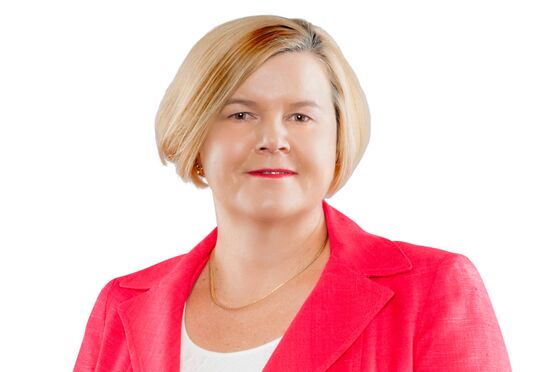
Susan Buckley, managing manager for global liquid strategies at QIC Ltd. in Brisbane, which manages 85 billion Australian dollars ($65 billion), sees U.South. x-year yields heading above two% this yr, a level last seen in Baronial 2019.
- "Nosotros've seen a rapid increase in yields, even farther and faster than we've expected from the end of terminal year," she said. "As markets take gained greater confidence in the rollout of the vaccine, especially the success in the U.Southward., economic activity continues to surprise on the upside. Yields will push higher from here."
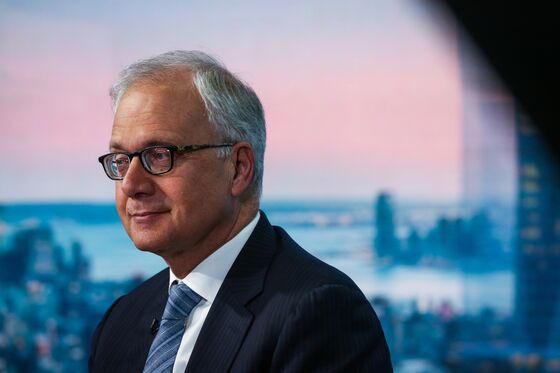
Ed Yardeni, founder of Yardeni Research Inc., says the ten-year yield will striking 2% potentially within the next few months and then 3% or higher by the end of adjacent year. He bases that on the U.South. vaccine rollout and all the stimulus in the economy, which he expects to boost measures of growth to pre-pandemic levels. He's also watching the jump in the ratio of the toll of copper to gold -- an indicator of risk sentiment that has historically correlated well with yields.
- "Higher yields make a lot of sense given the extraordinary force of the economy and mounting inflationary pressures," he said. "Over the next few months economic indicators, peculiarly existent gross domestic product, will probably return back to where they were before the pandemic."
Luca Paolini, chief strategist at Pictet Asset Management, which oversees 242 billion Swiss francs ($262 billion) says the risk of inflation readings -- non just inflation expectations -- starting to tick higher is a concern.
- "It's a problem for markets considering information technology may force the Fed to tighten," Paolini said at a webinar the firm held on March 31. "It may at some bespeak even limit spending, because obviously the spending power will be eroded by inflation. There is a 18-carat hazard of inflation surprising on the upside."
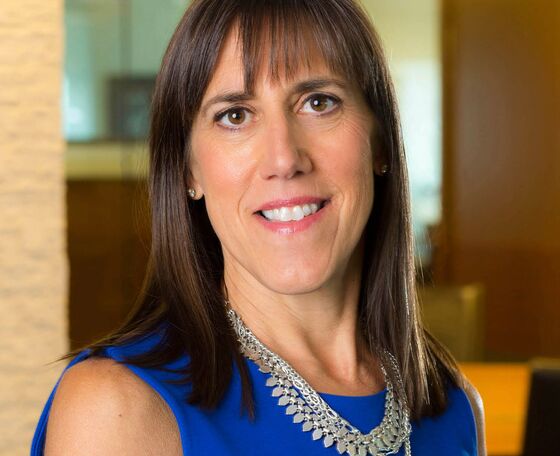
Elaine Stokes, a portfolio manager at Loomis Sayles & Co., which manages virtually $348 billion, says the unknowns ahead are difficult to handicap -- including how additional stimulus works through the economy. She sees 10-yr yields rising just about 20 basis points to l basis points over the side by side year or two.
- "I don't expect delinquent anything," Stokes said, referring to aggrandizement, growth and yields. "A lot of the pain is already done and felt. And we have to remind ourselves that we are also going back to all the problems we were dealing with pre-Covid," such equally huge debt loads, demographic trends and technological changes, and trying to effigy out how those forces may take inverse.
Simply Volatility:
Carlson, director of institutional nugget direction at Ritholtz, casts aside the notion of the big trends that characterized recent decades in Treasuries. His outlook is marked by bouts of volatility. More fluctuations may be in the offing in part because duration in the debt market is near a record high. That means that yield changes will cause bigger cost swings, and potentially fuel quicker flows in and out of the market.
"We have all been conditioned to believe in that location are ever these huge long cycles," he said. "Simply we maybe are just going to have shorter cycles where there are spikes, and people come back in and yields motion all effectually. That's kind of the new regime."

Source: https://www.bloombergquint.com/business/the-debate-over-the-next-move-in-bonds-has-never-been-fiercer
0 Response to "Why Treasury Bonds Will Never Go Above 3% Again"
Post a Comment